Four settlements in a thorn wood, once too dangerous to cross. Within two lifetimes: a railway
junction, a national research laboratory, a university, and two of the fourteen banks India would one day
nationalise.
This site is the record of how that happened — and of the town
doing business here now.
1937Indian Overseas Bank opened its first counter in Karaikudi
300 acresgiven by one man to bring a national laboratory to the town
9 templesthat organise the kinship of an entire community
Karaikudi is the largest town of the Chettinad region, in Sivagangai district. Its name
comes from karai, the thorny plant of this dry country, and kudi, a settlement.
The Nagarathars who settled here did not merely trade. They financed half the Indian Ocean
from eighty-odd villages, and then spent the proceeds on three things: temples, houses, and schools. That
is why a semi-arid taluk with no river and no industry holds a university, a national research institute
and some of the most extraordinary domestic architecture in India.
This site is an attempt to record all of it properly — and to show what Karaikudi is
worth to anyone doing business here now.
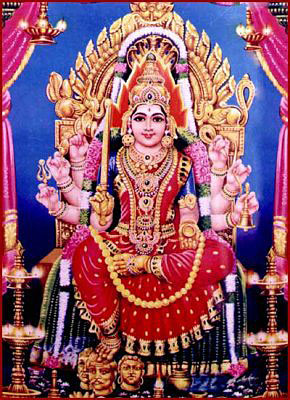
The town’s own festival, for the town’s own deity. Ten days from the last Tuesday of
Chithirai, ending with the chariot — and, almost uniquely, with the deity from the sanctum
itself brought out for it.
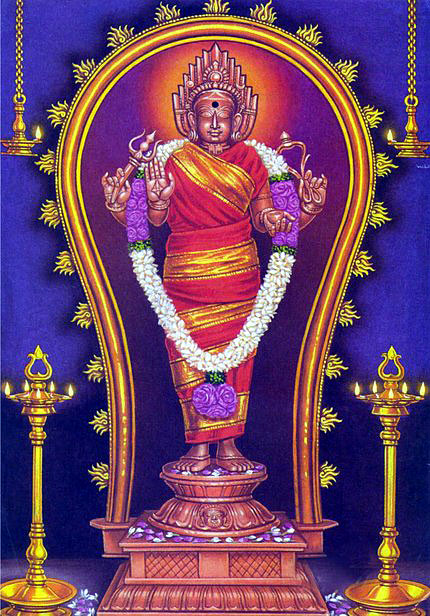
Pots of milk, fire pots, kavadi and a walk across the bed of fire — for a small temple whose
story, of a girl who came here with smallpox and began to foretell, is barely a lifetime old.
The grand night in honour of Lord Siva, kept awake until dawn at the temple of 1872 in the
southwest of the town — the one Karaikudi calls the Nagara Sivan Kovil.
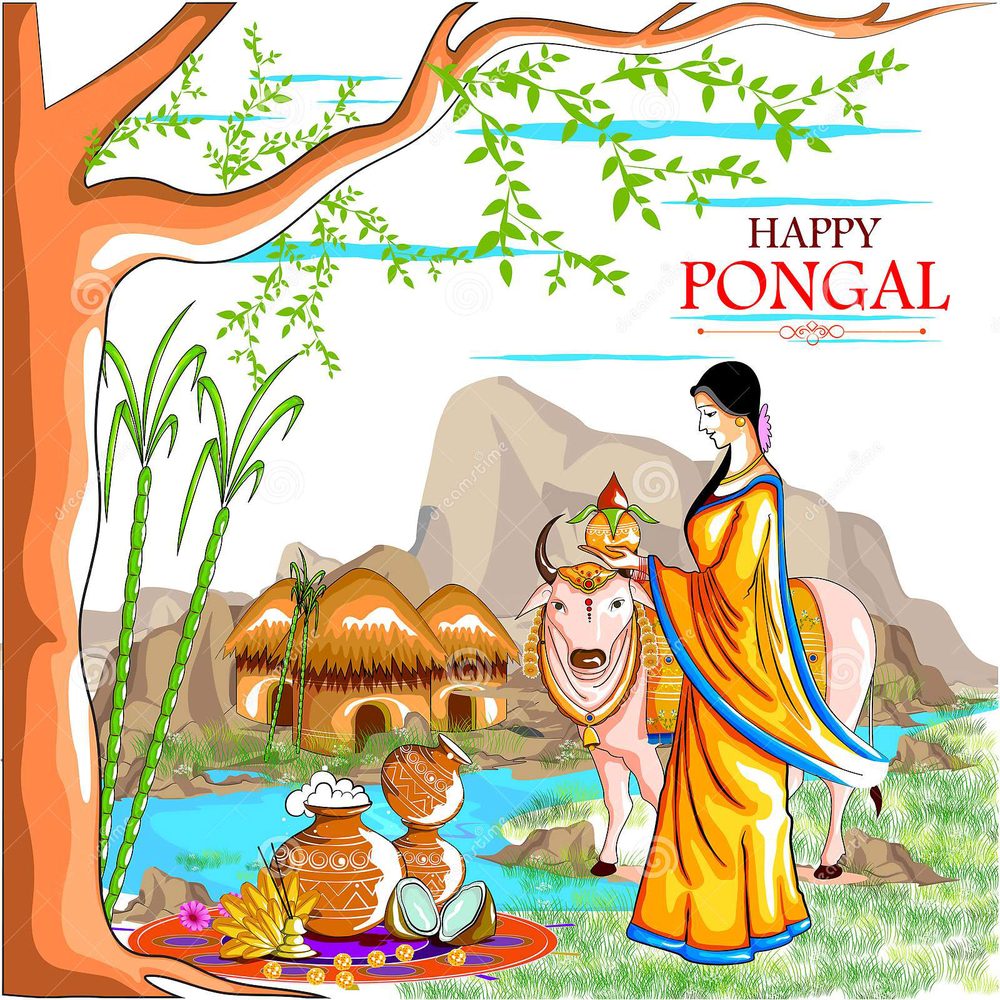
Four days of harvest, kept by everyone and tied to no single deity — the rice boiled in a new
pot until it rises over the rim, and the household calls out pongalo pongal.
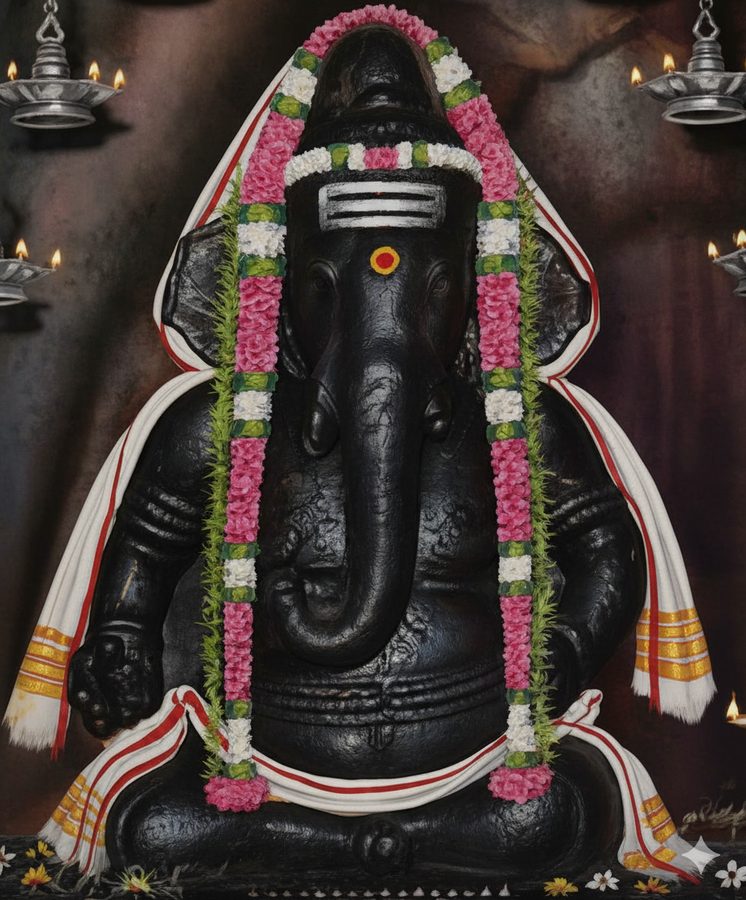
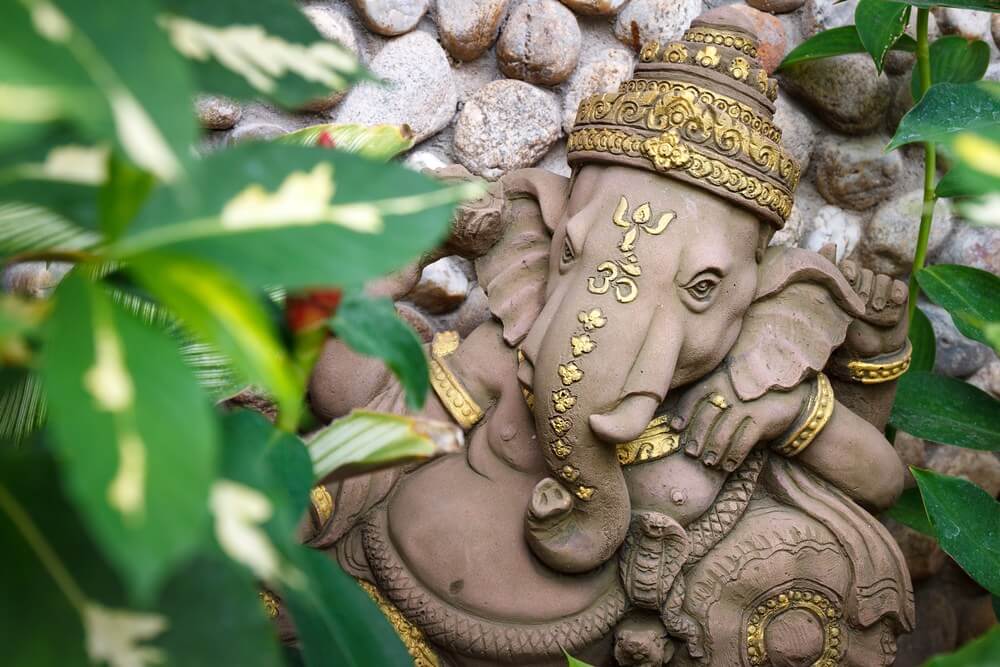
Ten days at the rock-cut temple twelve kilometres from town, where a six-foot Ganesha was carved
out of a hillside by a sculptor who signed his work — around the fourth century.
The oldest festival still kept in the Tamil country, and the simplest: rows of clay lamps along the
threshold and the courtyard edge, left to burn down. A Chettinad house is built for it.